
Meet the Candidates for ReMA Secretary/Treasurer
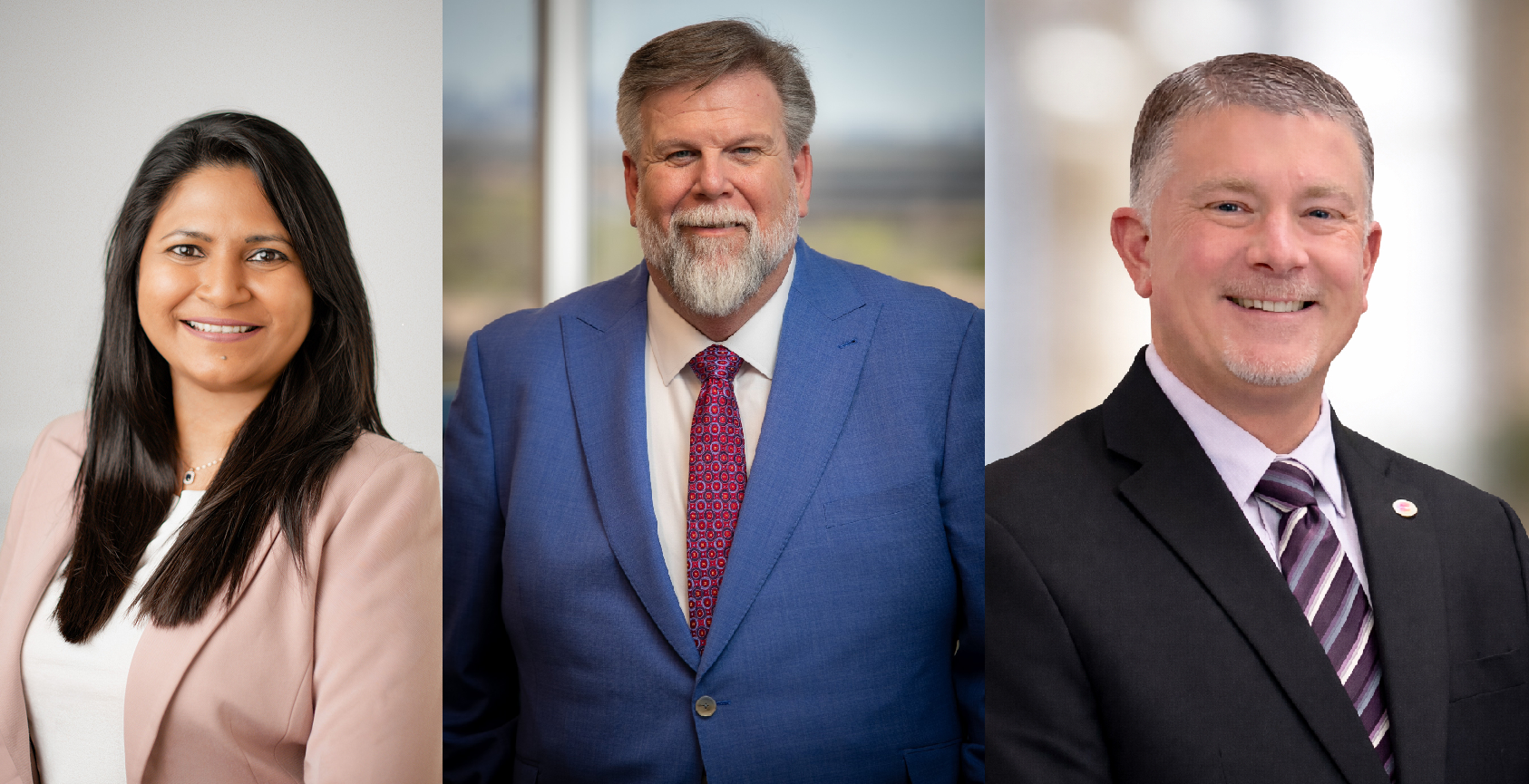
It’s an election year at ReMA! Going into ReMA2026, three candidates are running for the position of Secretary/Treasurer: David Bestwick, Director of Sales and Procurement at Dominion Nickel Alloys; Josephita Harry, Vice President, Sales, Non-Ferrous Metals & Electronics Scrap at Pan American Zinc; and Alton Schaubhut, Senior Trading Manager at CMC.
ReMA News chatted with the candidates about their background and experience in the recycled materials industry, their strengths as a leader, and what they would like to help the association accomplish if elected.
What do you think is the biggest challenge facing companies in the recycled materials industry?
David Bestwick: The changing regulatory landscape. There is a great deal of uncertainty around trade right now. The “rules of the game” are shifting rapidly—sometimes even while material is en route to its destination. That level of unpredictability creates real challenges for our industry.
Josephita Harry: We’re in a very uncertain time regarding policy and regulations both on the domestic side and international side. It’s difficult for companies to plan when things change every month or even every week. Throughout it all ReMA has done a great job responding to these changes and advocating on behalf of the industry.
Alton Schaubhut: The regulatory landscape is one of the biggest challenges, and a lot of issues are being pushed to the state level. That means we’ve had to be a lot more engaged in advocacy efforts on the state side and be more strategic.
Tell me about your background and experience in the industry.
David Bestwick: I started on the consumer side of our business. I grew up in a local steel mill, and like many young people entering the mill, I began in the labor department. I worked my way up to become a raw materials manager in the melt shop, where I was responsible for building scrap charges and ensuring proper chemistry during the melting process. In 2008, I was offered an opportunity by the Fleisher family and have been with Dominion Nickel Alloys ever since. As the third generation is now taking the reins of the company, it’s been incredibly rewarding to step back and see how much Dominion Nickel has grown over the past two decades.
Josephita Harry: I became passionate about recycling when I was 13 and did a school science project about paper recycling. Later when I became an engineer I specialized in electronics and had electives in iron and steel and paper, but I didn’t know the industry existed until several decades later. I knew I wanted to find a career where I could interact with others, travel and experience the world around me, and make a real difference. While on vacation in Dubai I ran into someone in the recycled materials industry and told him what I was hoping to accomplish. He took me under his wing and taught me a lot about the business. Since joining the industry and starting my career at Pan American Zinc 10 years ago, I feel like I’m living my passion, my mission, and my purpose.
Alton Schaubhut: I’ve been in the industry my entire adult life. I landed a summer job at a recycling facility in New Orleans that my uncle managed then spent a few years working for a privately-owned company in the city. Since 1995, I’ve been at Commercial Metals Company.
In your opinion, what is ReMA’s greatest benefit to members?
David Bestwick: ReMA provides tremendous value to its members and to the industry. Three areas stand out for me. First is safety. ReMA offers a first-class safety program with resources that benefit companies of all sizes. I remember when I was preparing to step into the Safe Operations Committee, a member told me he saves so much money by utilizing ReMA’s safety offerings that it pays for his membership several times over each year. That speaks volumes about the value provided—and how important it is to be part of an association that puts safety at its core.
Second is networking. The opportunities created through events like the National Convention and the Commodities Roundtables are invaluable. The level of planning and coordination behind these events is incredible, and the connections made there are essential to our industry.
Finally, market access. ReMA has a long track record of advocating for fair trade, protecting our industry from harmful legislation, and building strong relationships with elected officials. Their work ensures that our materials can move freely and that our industry continues to grow and thrive.
Josephita Harry: The networking is huge. ReMA’s annual convention provides the best networking platform. And when I say membership, I also include the membership directory. I’ve met a lot of international members who sometimes have difficulty getting in touch with peers in the U.S. and I tell them the best way is through the directory, which you have access to as a ReMA member. Another huge benefit is ReMA’s safety program. We start every ReMA meeting with a safety message and it’s our number one core value. We want to make sure that the people who operate in the industry are able to do so in a safe manner. The third major benefit is the advocacy work. ReMA has a great advocacy team and is always at the forefront advocating for the industry on the state, federal, and international level. I think it’s really what keeps our businesses running.
Alton Schaubhut: With so much uncertainty in the markets and changing regulatory landscape, one of the greatest benefits ReMA provides to members is through its advocacy program across all levels of government. ReMA also provides great and impactful networking opportunities both at the chapter level and the national level. It’s so important to be able to meet other people across the country or across the world who share your interests and can help you grow in your field.
What are your strengths as a leader?
David Bestwick: My strengths center around building strong teams—establishing trust, maintaining clear communication, and creating a shared sense of purpose. When those elements are in place, you build a strong culture, and with that comes shared success. I have confidence in this approach because I’ve seen it firsthand. I’ve been in situations where people trusted me enough to follow me into a burning building—and that level of trust doesn’t happen by accident.
Josephita Harry: One of my strengths is communication, and in my opinion good communication starts with listening to understand the other person. Often what we try to listen to can be complex and one of my skills is to simplify complex information to help people feel seen and heard. The other part of communication is how we articulate and how we present what we understand and how we act and follow up. That’s strength and something I continue to work on. I have my own opinions and views but I’m also curious and I like to learn, adapt, and gather different perspectives. I also help unify people with differing points of view to bring our voices together.
Alton Schaubhut: I’m a true collaborator. First and foremost, I listen. Then I take in everyone’s perspectives and then help people form a consensus, so we walk away with real action items and impactful takeaways. We don’t just want to walk away from a meeting and say, “This is what we’re going to do.” We want to come away having figured out the best way to proceed to make a meaningful change or improvement. And that comes from collaboration and working with others to form a consensus.
What has been your greatest professional achievement and why?
David Bestwick: On the fire service side of my career, one of the most significant moments was a high-angle rope rescue involving a pickup truck suspended in trees over a steep hillside, with a person still inside. As a Lieutenant at the time, I was responsible for leading the rescue. We had to rappel down the hillside, stabilize the vehicle, extricate the driver, secure them in a rescue basket, and safely bring them back up to the waiting ambulance. It was a complex and high-risk operation, and I’m proud of how our team executed it. The incident was recognized with an accommodation award and was even featured in the Wall Street Journal.
On the metals side of my career, my greatest achievement came during a period when nickel prices experienced a historic surge. Because stainless steel pricing is heavily influenced by nickel, this created significant cost pressures across the industry. In my role managing raw materials and chemistry in the melt shop, I was responsible for maintaining quality while controlling costs. Through collaboration, innovation, and trust within our team, we were able to consistently come in below projected costs for several months—without sacrificing chemistry.
Josephita Harry: When I joined Pan American Zinc 10 years ago it was a very young company, so I was in a position where I was growing along with the company. That’s been tremendously rewarding to help build up a company and live the values and be recognized for it. We’ve won many awards over the years, the most recent highlight for me winning the 2024 President’s “E” Award for Export Service. When a member wins, it’s also a win for ReMA and for the industry and I hope to see more member companies be recognized for their work and service. At the end of the day, we’re all here to serve. If our actions have a positive impact on other members or businesses, then I think that’s a great achievement.
Alton Schaubhut: I wouldn’t be where I am today without mentors. Recently I’ve taken on a mentorship role, and I get to watch others progress in their careers and see them succeed professionally and personally and that’s been a wonderful achievement for me. I’m also the current chair of ReMA’s Government Relations Committee, a difficult but rewarding role. It’s a role that touches every commodity and your job is to get them all to work together, find common ground, and then help their voices be heard. My career and work at CMC throughout the years also has been incredibly rewarding.
If elected, what would you like to help the association accomplish?
David Bestwick: ReMA has a long history of exceptional leadership, and my goal would be to build on that legacy. I would bring my strengths in team-building to help continue fostering a culture of collaboration, safety, and excellence. While it’s difficult to predict the challenges ahead, I’m confident in one thing—we have the best people. ReMA has always risen to meet challenges, and I believe it will continue to drive meaningful impact for our industry and the communities we serve.
Josephita Harry: During my time as Secretary/Treasurer I would provide the best support to help the chair execute their vision and mission for the association. Race car drivers need good pit crews, so I would essentially be the best pit crew for the chair. I would also embrace ReMA’s mission to promote safe, environmentally responsible, and economically sustainable recycling. We need to make sure that we carry forward what is good about the association like the work we’re doing on safety, proactive advocacy, and networking as we continue to add value to members.
Alton Schaubhut: Coming in I realize there’s a lot to learn so I would learn from my colleagues and peers and discuss their needs. By the time my term is over I would like to see a more cohesive state advocacy group at ReMA. We take what we do well, and we build on that great foundation. We have some very engaged chapters, but it would be great to see that level of engagement and commitment from all our chapters and regions across the U.S.